As Apple enthusiasts eagerly await the next generation of iPhones, many are wondering how much of an upgrade the iPhone 17 will be compared to the current iPhone 15. In this comprehensive iPhone 15 vs iPhone 17 comparison review, we analyze all the expected changes, improvements, and new features based on leaks, rumors, and Apple's historical upgrade patterns.
At Trend of Technologia, we've compiled information from trusted sources to give you the most accurate picture of what to expect from Apple's 2025 flagship compared to the excellent iPhone 15 available today.
Design and Build Quality Comparison

The iPhone 15 introduced a refined design with slightly curved edges, titanium frames for Pro models, and a matte glass back. It maintained the familiar notch-less design with Dynamic Island that was introduced with the iPhone 14 Pro.
Based on leaks and industry trends, the iPhone 17 is expected to feature a more significant redesign. Rumors suggest Apple might implement an under-display Face ID system, allowing for a truly all-screen front design without any cutouts or islands. The bezels are expected to be even thinner than the already slim ones on the iPhone 15.
While the iPhone 15 measures 147.6 x 71.6 x 7.8 mm, the iPhone 17 might be slightly larger to accommodate new components while potentially maintaining similar thickness. The materials are expected to remain premium, with titanium continuing for Pro models and aluminum for standard versions, though with possible new finishing techniques.
Display Technology: Evolution of iPhone Screens

The iPhone 15 features a brilliant 6.1-inch Super Retina XDR display with a resolution of 2556 x 1179 pixels and typical brightness of 1000 nits (1600 nits peak for HDR content). The Pro models feature ProMotion technology with adaptive refresh rates up to 120Hz.
The iPhone 17 is expected to push display technology even further. Rumors suggest the possibility of LTPO OLED panels across all models, not just Pro versions, allowing for more efficient power management. We might also see brightness improvements, with typical brightness potentially reaching 1200-1300 nits and peak HDR brightness exceeding 2000 nits.
Another potential advancement for the iPhone 17 is the implementation of under-display Face ID technology, which would eliminate the need for any cutouts in the display. This would represent the most significant display design change since the removal of the home button.
Performance and Chipset Differences
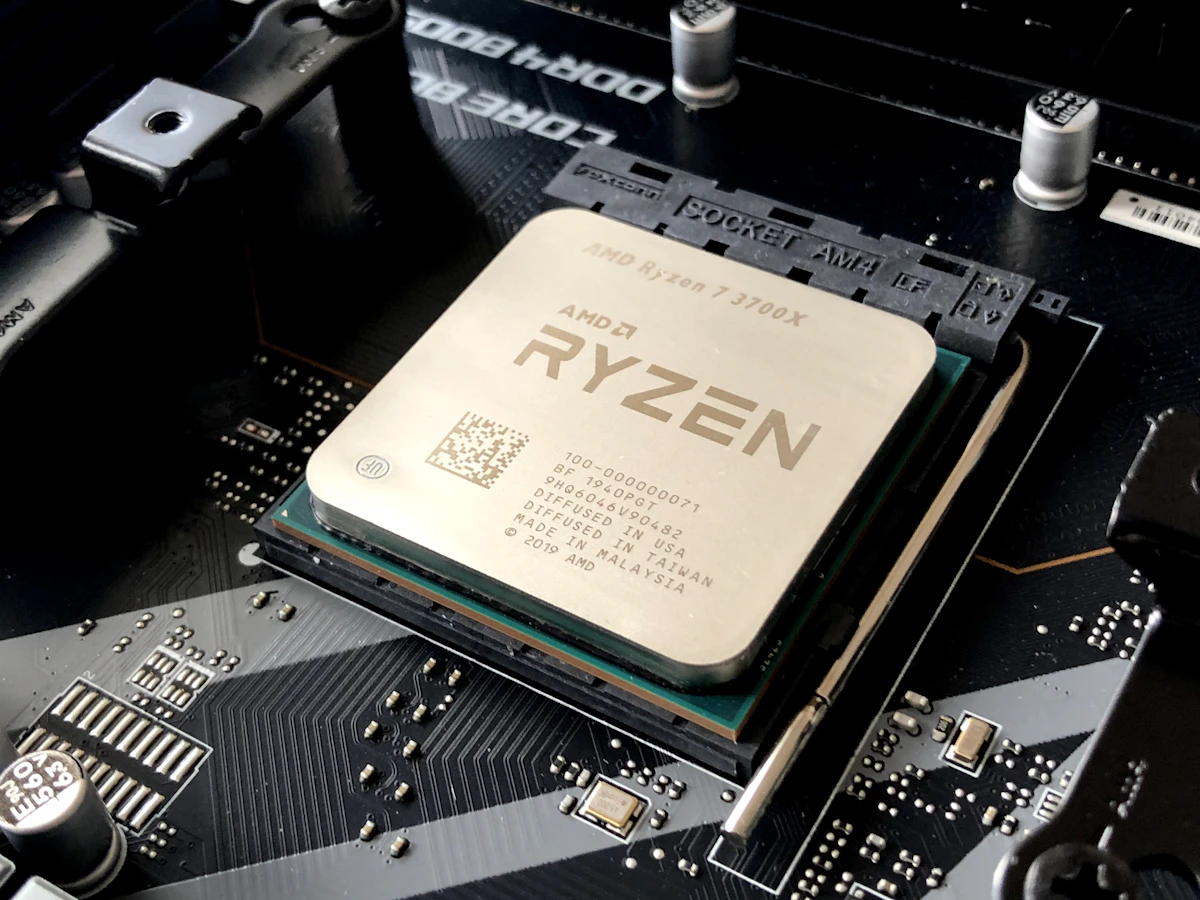
The iPhone 15 is powered by the A16 Bionic chip (A17 Pro for iPhone 15 Pro models), built on a 4nm process. These chips deliver exceptional performance, with the A17 Pro featuring a 6-core CPU, 6-core GPU, and 16-core Neural Engine capable of 35 trillion operations per second.
The iPhone 17 will likely feature the A19 Bionic chip, expected to be built on a more advanced 3nm or possibly even 2nm process. This would bring significant improvements in both performance and power efficiency. Early predictions suggest a 15-20% CPU improvement and a 25-30% GPU improvement over the A17 Pro.
The Neural Engine in the A19 chip is expected to see the most substantial upgrade, potentially doubling the core count or significantly increasing operations per second. This would enable more advanced machine learning tasks and AI features that Apple is rumored to be developing for future iOS versions.
Camera System: Evolution of iPhone Photography

The iPhone 15 features an excellent camera system with a 48MP main sensor, 12MP ultra-wide, and 12MP 2x telephoto (on Pro models). It introduced next-generation portraits with focus and depth control, Smart HDR 5, and Photonic Engine for improved computational photography.
The iPhone 17 is expected to take mobile photography to the next level. Rumors suggest a completely redesigned camera system with larger sensors across all lenses. The main camera might jump to a 64MP or even 108MP sensor with pixel-binning technology for improved low-light performance.
Periscope telephoto lenses, currently available only on Pro Max models, might come to all Pro models in the iPhone 17 lineup. There are also rumors about improved computational photography algorithms leveraging the more powerful Neural Engine for real-time image processing and enhanced computational photography features.
Battery Life and Charging Capabilities

The iPhone 15 offers respectable battery life with up to 20 hours of video playback. It features USB-C charging (finally replacing Lightning) with support for 20W wired charging, 15W MagSafe wireless charging, and 7.5W Qi wireless charging.
The iPhone 17 is expected to feature improved battery technology, potentially with higher energy density cells or more efficient power management. While physical size constraints limit battery capacity, the more efficient A19 chip and potentially more efficient display technology should result in better battery life despite more powerful components.
There are rumors about faster charging capabilities for the iPhone 17, possibly up to 30W or 35W wired charging. Apple might also introduce improved reverse wireless charging capabilities, allowing the iPhone to charge accessories like AirPods or Apple Watch more efficiently.
Software and Feature Comparison

The iPhone 15 launched with iOS 17, featuring improvements to Messages, FaceTime, new StandBy mode, interactive widgets, and enhanced autocorrect. It will receive software updates for several years to come.
The iPhone 17 will likely launch with iOS 19 or whatever version Apple is on by late 2025. We can expect more advanced AI features, possibly including a significantly improved Siri, more proactive assistance, and enhanced on-device processing for privacy-focused AI tasks.
There are rumors about new health monitoring features that might debut with the iPhone 17, potentially including blood glucose monitoring or advanced heart health features. These would build upon the health capabilities already present in the iPhone 15 but require new sensor technology.
Price and Value Analysis

The iPhone 15 starts at $799 for the base model, with Pro models starting at $999 and Pro Max at $1,199. These prices represent Apple's current pricing strategy for flagship smartphones.
Given inflation and increasing component costs, the iPhone 17 might see a price increase of $50-100 across the lineup. However, Apple has historically tried to maintain pricing where possible, so we might see similar starting prices with more storage options or slight adjustments to the product lineup.
For current iPhone 15 owners, the upgrade to iPhone 17 will need to be justified by the significant design changes and performance improvements. For those with older iPhones, the iPhone 17 will represent a substantial leap forward in technology.
Conclusion: Should You Wait for iPhone 17?

Based on our iPhone 15 vs iPhone 17 comparison review, the iPhone 17 appears to be shaping up as a more significant upgrade than the typical annual iPhone refresh. The potential under-display Face ID technology, redesigned camera system, and more powerful A19 chip represent substantial improvements over the already excellent iPhone 15.
If you currently own an iPhone 15, especially a Pro model, the upgrade to iPhone 17 might be worth considering if the rumored design changes materialize. The move to a truly all-screen design would be a significant aesthetic improvement that many users have been waiting for.
However, if you need a phone now, the iPhone 15 remains an excellent device that will continue to perform well for years to come. The differences, while potentially significant, might not be essential for all users.
For those with older iPhones (iPhone 12 or earlier), the iPhone 17 will likely represent a massive upgrade in every department. If you can wait until late 2025, it might be worth holding out for the new design and features.
As with all pre-release information, these predictions are based on rumors and leaks. The actual iPhone 17 may differ from these expectations. We'll update our iPhone 15 vs iPhone 17 comparison review as more concrete information becomes available.
Comments
Post a Comment